Mystery Science Theater 3000, often abbreviated MST3K, was an American cult television comedy series created by Joel Hodgson and produced by Best Brains, Inc., that ran from 1988 to 1999.
The series features a man and his robot sidekicks who are trapped on a space station by an evil scientist and forced to watch a selection of bad movies, initially (but not specifically limited to) science fiction B-movies. To keep sane, the man and his robots provide a running commentary on each film, making fun of its flaws and wisecracking (or "riffing") their way through each reel in the style of a movie-theater peanut gallery. Each film is presented with a superimposition of the man and robots' silhouettes along the bottom of the screen.
Series creator Hodgson originally played the stranded man, Joel Robinson, for five and a half seasons. When Hodgson left in 1993, series head writer Michael J. Nelson replaced him as new victim Mike Nelson, and continued in the role for the rest of the show's run.
During its eleven years, 198 episodes and one feature film, MST3K attained critical acclaim. The series won a Peabody Award in 1993, was nominated for Emmy Awards (in the category of Outstanding Individual Achievement in Writing for a Variety or Music Program) in 1994 and 1995, and was nominated for a CableACE Award.
Bueno en fin, para no poner mas copy-paste, les recomiendo ke bajen los episodios, todos valen la pena ver, son muy entretenidos y graciosos. entre mis favoritos estan: Santa Claus Conquers the Martians, City Limits, Attack of the Giant Leeches, Y PUES CLARO! la pelicula :D
Mystery Science Theater 3000: The Movie (1996)
Sunday, October 10, 2010

solo algo 4 :)
The Brain (1988)


The Incredible Two-Headed Transplant/The Thing With Two Heads (1972)
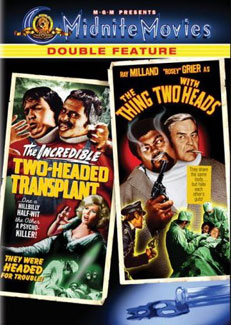
o esta buena o esta mala, de muy mala se hace muy buena jaja amisimegusto;D
Cat-Women of the Moon (1953)

This Island Earth 1954

The Incredible Two-Headed Transplant/The Thing With Two Heads (1972)
o esta buena o esta mala, de muy mala se hace muy buena jaja amisimegusto;D
Cat-Women of the Moon (1953)
This Island Earth 1954
Saturday, September 18, 2010




Tuesday, July 13, 2010
Eyaculacion Post Mortem
Tienes que escucharlos. baja sus discos, compra sus calzones, buscate una vida.
Claro, primero mi favorita.
Tu vienes de negro.. y nosotros volvemos de gris.
ETC ETC ETC....
Claro, primero mi favorita.
Tu vienes de negro.. y nosotros volvemos de gris.
ETC ETC ETC....
Wednesday, June 30, 2010
SFS
The Secret Friend Society
si alguna vez te aburres, tengo una petición para tí!!
A SOLO UN CLICK!!! en la imagen...

si alguna vez te aburres, tengo una petición para tí!!
A SOLO UN CLICK!!! en la imagen...
Tuesday, June 29, 2010
Silent Hill & Alice A.Mcgee Quotes

Silent Hill
Silent hill 1
Harry Mason
* "I don't know who you are or what you're trying to do, and I don't care. Just one thing. Let Cheryl go. That's all I ask."
* "Have you seen a little girl? She just turned seven last month. Short, black hair. My daughter."
* "Cheryl? Is that Cheryl?! Hey wait! Stop!"
* "Huh?! Radio? What's going on with that radio?"
* "This may sound really off the wall, but listen to me. You've got to believe me. I've not gone crazy, and I'm not fooling around. At first I thought I was losing my mind. But now I know I'm not. It's not me. This whole town. It's being invaded by the other world. A world of someone's nightmarish delusions come to life. Little by little the invasion is spreading. Trying to swallow up everything in darkness."
Cybil Bennet
* "The phones are all dead, and the radios too. I'm going back to call in some reinforcements."
* "Take this, and hope you don't have to use it. Now listen to me; before you pull the trigger, know who you're shooting. And don't do it unless you have to. And don't go blasting me by mistake, got it?"
* "I'm sorry, the only person that I saw is you."
* "Darkness? Must be on drugs."
Dahlia Gillespie
* "The town is being devoured by darkness!"
* "You want the girl, right?"
* "My daughter will be the mother of God!"
* "It was foretold by Gyromancy!"
Michael Kaufmann
* "Thank God. Another human being."
* "Did you see those monsters? Have you ever seen such apparitions? Ever even heard of such things? You and I both know, creatures like that don't exist."
* "Is your daughter? I'm sorry."
Lisa Garland
* "Harry, I now understand. I know the reason I'm still alive."
Cheryl Mason / Alessa Gillespie
* "Daddy, help me! Daddy, where are you?"
* "No. I don't want to. I want to be with you, mom."
Silent hill 2
Mary Shepherd-Sunderland
* "In my restless dreams, I see that town. Silent Hill. You promised you'd take me there again someday. But you never did. Well I'm alone there now... In our 'special place'... Waiting for you..."
o The content of the letter James receives at the beginning of the game. As the game progresses, the letter disappears, but at the end a complete version of the letter is read to the player.
* "James... you made me happy..."
o The conclusion of the full letter.
* "James... did you really think I'd ever forgive you for what you did?!"
o Final words before becoming the final boss in the "Maria" ending.
Angela Orosco
* "Thank you for saving me... But I wish you hadn't. Even Mama said it. I deserved what happened."
* "Or maybe, you think you can save me. Will you love me? Take care of me? Heal all my pain? ...[Hmph] ...That's what I thought."
* "You see it too? For me, it's always like this."
o Final words before disappearing.
Eddie Dombrowski
* "Besides, he was making fun of me with his eyes!"
* "Do you know what it does to you, James? When you're hated, picked on, spit on, just cause of the way you look. After you've been laughed at your whole friggin' life. That's why I ran away after I killed the dog. Ran away like a scared little girl. Yeah, I killed that dog. It was fun. It tried to chew its own guts out! Finally died all curled up in a ball. Then 'He' came after me, I shot him too. Right in the leg. He cried more than the dog! Haha! He's gonna have a hard time playing football on what's left of that knee."
* "Don't get all holy on me, James. This town called you, too!"
* "It doesn't matter if you're smart, dumb, ugly, pretty...it's all the same once yer dead! And a corpse can't laugh."
* "Killin' a person ain't no big deal, just put the gun to their head... POW!"
Maria
* "James, honey, did something happen to you? After we got separated in that long hallway? ...Are you confusing me with someone else?"
* [laughs] "You were always so forgetful. Remember that time in the hotel?"
* "I'm not your Mary."
* "I am.... If you want me to be."
* "It doesn't matter who I am. I'm here for you James... See... I'm real."
* "When will you ever stop making that mistake? Mary's dead. You killed her."
* "What? You must be joking. But I can be yours... I'll be here for you forever... And I'll never yell at you, or make you feel bad! That's what you wanted! I'm different from Mary... How can you throw me away?!"
* "No. I won't let you. You deserve to die too, James!"
* "I look like Mary don't I? You loved her right? Or maybe... you hated her."
* "'Anyway'? What do you mean 'anyway'? You don't sound very happy to see me! I was almost killed back there! Why didn't you try to save me?"
Laura
* "I don't know! Maybe I did!"
* "You didn't love Mary, anyway!"
* "Are you blind or something?"
* "I hate you, James!"
* "She was always waiting for you... why... why..."
o On Mary
Others
* If you really want to see Mary, you should just die. But you might be heading to a different place than Mary, James.
o Written in blood on a wall at Neely's Bar, in dark world.
* There was a HOLE here; it's gone now.
o Blood on the wall at Neely's Bar
Born from a Wish
* Earnest Baldwin: But how can you say that it is this town that is insane? Perhaps it is we who are insane. Both of us... hopelessly insane.
Silent hill 3
Heather
* "Are you still following me? Do I have to scream?"
* "What the hell is this thing?!"
* "Suffering is a fact of life. Either you learn to deal with that or you go under."
* "I'm sorry, Dad."
* "I'm going to Silent Hill."
* "I guess it wasn't much of a god if it could be killed by a human being."
* "[softly]I forgive you."
* "Shut your stinkin' mouth, BITCH!!"
* "This is... GOD?!"
* "Don't you think blondes have more fun?"
* "It won't budge."
* "It's time to roll the credits..."
Douglas Cartland
* "This is very important... It's about your birth."
* "Revenge doesn't solve anything."
* "You remind me of my son."
* "That monster... what the hell was that thing?"
* "Nobody is gonna cry over my grave anyways."
* "Sounds pretty boring."
Claudia Wolf
* "They've come to witness the Beginning. The rebirth of Paradise, despoiled by mankind."
* "Remember me, and your true self as well. Also that which you must become. The one who will lead us to Paradise with blood-stained hands..."
* "The time when all will be forgiven their sins, when the paradise we have long dreamed for will arrive. After the Judgement and Atonement an Eternity of bliss. Oh, Alessa... the world you wanted is nearly here..."
* "Alessa, don't you want happiness?! Have you become blind to all the hopeless suffering in the world? We need... we ALL need god's SALVATION!"
* "I wish only for the salvation of mankind, but for that to happen, the world must first be remade."
* "God is growing within you... [smiles softly] You despise me... don't you?"
* [folding hands in prayer] "But God loves even you..."
* "No, I don't expect to be saved..."
* "Alessa, you cannot kill god. I will... [moans in agony] I will birth god..."
Vincent
* "I'm on your side"
* "Her? You mean Claudia? Please don't lump me together with her. She was totally brainwashed by that crazy old hag. I guess 'crazy old hag' is a bit harsh. She is your mother, after all..."
* "I know everything."
* "Monsters? They look like monsters to you?!"
* [smirking] "What's wrong, don't you trust me?"
* "Heather, go ahead and kill this crazy bitch. This demon who claims to speak for God. The time has come."
* "Go northwest on Nathan Avenue. It's a bit far, but closer than heaven."
* "Let's get this party started."
Silent Hill 4
Henry Townshend
* "Oh, man... what a dream..."
* "It's okay...it's just a dream..."
* "What... the Hell?"
* "If you die here, you die in the real world too. Anyway, the only way out is through that hole."
Eileen Galvin
* "Oh, man... hope my luck changes before the party..."
* "There's something going on in this room..."
* "This is a nightmare... It can't be happening..."
* "Could this be...Silent Hill Woods...?"
Cynthia Velasquez
* "I'll do a 'special favor' for you later."
* "This is just a dream, and a really terrible one too."
* "[laughs] This is my dream and you don't even know my name? It's Cynthia."
Jasper Gein
* "I finally met him! The one the nosy guy talked about... the Devil!"
* (Drinks chocolate milk) "Oh, man, that was awesome!"
Richard Braintree
* "A 'kid'!? That's no kid. It's the 1-1-1-2-1 man."
Walter Sullivan
* "Hey there, little Walter! Just . . . a little longer now!
* "My name's Walter. Walter Sullivan. It's time to complete the 21 Sacraments."
* "Henry, you're it. The last of the 21 Sacraments - the Final Sign - the Receiver of Wisdom."
Other
* "Through the ritual of the holy Assumption, he built a world. it exists in a space separate from the world of our Lord. More accurately, it is within yet without the Lord's world. ...Unlike the world of our Lord, it is a world of extreme Flux. Unexpected doors and walls, moving floors, odd creatures, a world only he can control... Anyone swallowed up by that world will live there for eternity, undying. They will haunt that realm as a spirit. how can our lord forgive such and abomination...? ... it is important to travel lightly in that world. He who carries too heavy of a burden will regret it..."
Silent Hill: Origins
Travis Grady
* "Not fog. It's smoke. My God."
* "Daddy, this is insane."
* "When do we get to look into your sick little mind!?!"
* "I got your....your THANG fer ya!"
Alessa Gillespie
* "Let me burn!"
Kaufmann
* "Try harder."
* "Well, time to put her pawn to sleep...Good bye."
Lisa Garland
* "No. No! You KNOW who's in there!"
The Memory of Richard Grady
* "I'm not sleeping, son...you knew I wasn't sleeping, why did you stand there for so long?...It wasn't right....It wasn't healthy, son."
* "Your mother... and I... will see you in heaven, son..."
o before transformation
The Memory of Helen Grady
* "I'm not dead--locked away! Out of sight, out of mind, not dead. I asked them to bring my boy to me."
* "Come here boy. Let momma take a look at you..."

American McGee Alice
Alice
* Into the hole again, we hurried along our way, into a once-glorious garden now seeped in dark decay.
* Mange-ridden to the core, he leads me through the fray. With the toss of a Jackbomb, I clear abominations from our way.
* They taunt me about the burning as if I were to blame, I clear them from my conscious with the eloquence of my blade.
* If it's my keen invention you'd like to destroy, I'll withstand your best shot; I've got the right toy.
* Everyone I love dies violently; unnaturally. I'm cursed! Why go on? I'll just hurt others.
* Save myself from death, is that it? Is that why I've come here? I'm not afraid to die! At times I've welcomed death.
* "Mushrooms, poppies, sugar and spice, all those things are very nice. When combined, the proper mixture makes a getting small elixir." Hm. I don't really like sweets.
* Promise only what you are prepared to deliver. I am destined to do battle with the Red Queen. The outcome is uncertain.
* How many times must I tell you? I only take tea with friends!
* If ignorance is bliss, I must be ecstatic.
* Where does that smushy lay-about hang his hookah these days?
o When talking about Caterpillar
* I enjoy the taste of mushrooms, but not the ones that bite back.
* I wish I were hallucinating. What a terrible choice: eat a toadstool or become food for insects!
* Such order in the midst of chaos makes me woozy and disoriented.
* I'm not edible.
* I fear nothing.
Cheshire Cat
* [First lines] Every adventure requires a first step. Trite, but true, even here.
o Paraphrase of Confucius, "Every journey begins with a single step"
* The uninformed must improve their deficit or die.
* To the royal guards of this realm, we are all victims-in-waiting.
* Only the foolish believe that suffering is just wages for being different.
* Only the insane equate pain with success.
* Only the savage regard the endurance of pain as a measure of worth.
* Only a few find the way; some don't recognize it when they do; some don't ever want to.
* What is sought is most often found, if it is truly sought.
* Tell yourself, "I've seen worse at Rutledge's." Prevarication in this instance may help.
* There's an ugly name for those who do things the hard way.
* When the remarkable becomes bizarre, reason turns rancid.
* I can't know everything. Pretend you're an orphan – oh! That was rude, you are.
* I suppose "experience teaches best", "learn by doing", and similar clichés have merit. Take their advice; I'm busy.
* Observe, learn, and react.
* Work if you must. It's my nature to unwind from time to time.
* I've heard self-reliance is a virtue. Now you've heard it.
* Whatever says too much of a good thing must be bad tells a lie.
* Whoever says too much of a good thing is not enough speaks the truth.
* He's not the brightest star in the sky, but he shines at one thing.
o Referring to the white rabbit
Weapons and Powerups
* Meta-Essence is the life force of Wonderland; that of your enemies is especially potent. Collect what you can. Use it wisely.
* Your knife is necessary, but not sufficient. Always collect what's useful. Reject only your ignorance, and you may survive.
o When Alice obtains the Vorpal Blade
* 52 pickup is a staple of juvenile humor. But when the deck slices and dices, it is no laughing matter.
o When Alice obtains the Playing Cards
* Here's a riddle: When is a croquet mallet like a billy club? I'll tell you: whenever you want it to be.
o When Alice obtains the Croquet Mallet
* Ah, the diabolical Dice … a word of caution; don't throw them when you're alone. The fiends lack loyalty, and their notion of nourishment is quite disturbing.
o When Alice obtains the Demon Dice
* Jack's a friend, but his temperament is explosive; perhaps best to let him play by himself.
o When Alice obtains the Jackbomb
* Withering cold incapacitates an enemy more completely than deep wounds, but winter does not last forever.
o When Alice obtains the Icewand
* This simple game can turn distinctly nasty. Don't ever play alone.
o When Alice obtains the Jacks o' Death
* The Jabberwock's Eyestaff is incomparably powerful, but its individual pieces are worth less than the carcass of a gnat.
o When Alice obtains the first piece of the Jabberwock's Eyestaff
* The staff lacks only the Jabberwock's eye. Though he has two, I understand he's quite fond of them both. I doubt time will change his mind. Speaking of which, where's the Hatter?
o When Alice obtains the penultimate piece of the Jabberwock's Eyestaff
* This unique watch stops time – for a time. Unlike Death, time moves on. Those who have stood still with time move on also – unless they're dead.
o When Alice acquires the Deadtime Watch
* The Blunderbuss in the hands of a blockhead is a catastrophe waiting to happen. You're no dunderhead, but exercise great care.
o When Alice obtains the Blunderbuss
* Time to raise some havoc! The dogs of war are loose!
o When Alice obtains the first Ragebox power-up
* How fine you look when dressed in rage. Your enemies are fortunate that your condition is not permanent. And you're lucky too: red eyes suit so few.
o When Alice obtains the second Ragebox power-up
* Those who say there's nothing like a nice cup of tea for calming the nerves never had real tea. It's like a syringe of adrenaline straight to the heart!
o When Alice first drinks Grasshopper Tea
* What they can't see, they don't want to hear. You'll do better if you become uncorporeal.
o When Alice finds a secret Darkened Looking glass
* Noisy creatures, crooks, and assorted voyeurs would love to be invisible. For you the option may be a matter of survival.
Miscellaneous
* The Guards are tools of the Queen. All suits are dolts, but dangerous.
* The Guards lack imagination; don't play with them, unless you're ready to deal.
* That savage shriek is just the tip of the iceberg that is the Boojums' repulsive personality.
* Boojums have revolting table manners. They'll eat anything. Dispose of them or become a meal.
* Protective walls may impede you, but the walls most difficult to penetrate are those that surround our hearts.
* Cling closely to the path, Alice. A fall will dash your head along with all our hopes.
* Entering Skool requires a real leap of logic.
* Steps to enlightenment brighten the way; but the steps are steep. Take them one at a time.
* Countless generations of termites would only digest a mere fraction of the volumes here. And they wouldn't be one wit wiser.
* This Skool serves more than nasty lunches. The laboratories are especially fascinating, if you can stand the vile stench.
* Gardeners store rat poison and weed killer in sheds. Skools have laboratories for that purpose.
* Nature has ordained that certain seeds require assistance to fulfill their destiny.
* Unplanted seeds dry out and die.
* Every picture tells a story. Sometimes we don't like the ending. Sometimes we don't understand it.
* Annihilate what threatens to destroy you.
o As Alice faces the Duchess
* Is our situation not dismal? Wonderland is so discombobulated that ladybugs have turned belligerent and enlisted in the Queen's army. Punish their conversion.
* Haste makes waste, so I rarely hurry. But if a ferret was about to dart up my dress, I'd run.
o Said in the demo as Alice confronts a troop of Army Ants' trap – a huge marble rolling towards her
* Confidence and rashness are sides of a single coin.
* I've never trusted toadstools, but I suppose some must have their good points.
* If your stature were an illness, it seems the Centipede dispenses medicine to make you well.
* I'm afraid I have to expell a rather ferocious hairball – you're on your own, girl.
o Before Alice confonts the Voracious Centipede
* It's rude to eat and run. But sometimes it's unavoidable.
* The demansions of this desolate tract unknown to all but the inhabitants. Only one path will bring you to the endgame.
* Look straight ahead. Or askance – whichever way you choose, you must always look in the right direction.
* "Seek and ye shall find," they say, but they don't say what you'll find.
* Paths that end in trouble are all the same – they only appear different when you don't know where they lead.
* Don't get spun, whirled, twisted, gyrated, sloshed or tossed. Avoid false moves.
* Since you know the rules, best play with Whites – they go first.
* The regularity of the board disguises the predatory menace of certain pieces.
* You know all the right moves; use them.
* Look, Alice. Though his elliptical essence is unrecognisable, it's wrong to think him worthless.
o When Alice meets a silent and hopelessly broken Humpty-Dumpty
* You may have missed something – what's rubbish to one is salvation to another.
* Confront what frightens or offends you; reckless or insulting talk should never go unchallenged.
* Gryphon's an ideal partner; perhaps I'll just retreat for a nap.
* The vile creature is a killer, and even his words can wound.
* Find the Queen. Ignore her pledge to decapitate intruders … at your peril.
* Look for the Queen, but remember: she also has eyes for you.
* Time to jump in Time to jump through time. I'm dizzy.
* Defeat looms over your allies; total ruin will consume us unless you destroy the Queen. End this carnage; go to the Castle Keep; you are our only hope for survival.
* The Queen, the Queen, my lower incisors for the queen. Where is that wretched creature?
* Bravery and I are not on intimate terms – my natural curiosity is tempered with caution, thus I've lived long. But now, ignoring my instict to flee or fib, I speak the truth without regard to consequence; your courage deserves no less. You've suffered great pain, and you've caused some. You've endured deep grief and feelings of guilt, but you will be tested by a more wrenching anguish, Alice. There is worse to come. You and this Red Queen cannot both survive; you are two parts of the same – mia-meow!
Mad Hatter
* Your hair wants cutting, and perhaps your neck could use a trim!
* I like what I do is the same as I do what I like, don't you agree? So I do.
* The Queen accused me of murdering time! Very wrong – I have another object in mind.
* If you knew time as well as I, you wouldn't dream of wasting it!
The Red Queen
* Off … with … her … head …
* I rule Wonderland alone. Your interference will not be tolerated. This realm is for grown-ups; raw, well-ordered, ruthless, careening on the jagged edge of reality. Self-pitying dreamers are not wanted here; they cannot survive here. You fear the truth. You live in shadows. Your pathetic attempts to reclaim your sanity have failed. Retreat into the sterile safety of your self-delusions, or risk inevitable annihilation. If you destroy me, you'll destroy yourself. Leave now and some hollow part of you may survive. Stay, and I will break you down. You will lose yourself forever!
Thursday, June 24, 2010
solo algo 3!!

 JJ72
JJ72 Estradasphere
 Juan son-Porter
 Cocteau Twins
 David Bowie
 VIRGIN PRUNES
 The Residents
 Arcade Fire
 Bat for Lashes
 Bright Eyes
 CocoRosie
 Devendra Banhart
  Emilie Simon
 I Love You But I've Chosen Darkness
  No Knife
Tuesday, June 22, 2010
Camille Saint-Saëns.

Saint-Saëns was born in Paris, France on 9 October 1835, of Jewish descent. His father, a government clerk, died three months after his birth. His mother, Clémence, sought the assistance of her aunt, Charlotte Masson, who moved in. Masson introduced Saint-Saëns to the piano, and began giving him lessons on the instrument. At about this time, aged two, Saint-Saëns was found to possess perfect pitch. His first composition, a little piece for the piano dated 22 March 1839, is now kept in the Bibliothèque nationale de France. Saint-Saëns's precociousness was not limited to music. He learned to read and write by age three, and had some mastery of Latin by the age of seven. His first public concert appearance occurred when he was five years old, when he accompanied a Beethoven violin sonata. He went on to begin in-depth study of the full score of Don Giovanni. In 1842, Saint-Saëns began piano lessons with Camille-Marie Stamaty, a pupil of Friedrich Kalkbrenner, who had his students play the piano while resting their forearms on a bar situated in front of the keyboard, so that all the pianist's power came from the hand and fingers and not the arms. At ten years of age, Saint-Saëns gave his debut public recital at the Salle Pleyel, with a performance of Mozart's Piano Concerto No. 15 in B-flat major (K. 450), and various pieces by Handel, Kalkbrenner, Hummel, and Bach. As an encore, Saint-Saëns offered to play any of Beethoven's 32 piano sonatas from memory. Word of this incredible concert spread across Europe, and as far as the United States with an article in a Boston newspaper.
He then studied composition under Fromental Halévy at the Conservatoire de Paris. Saint-Saëns won many top prizes and gained a reputation that resulted in his introduction to Franz Liszt, who would become one of his closest friends. At the age of sixteen, Saint-Saëns wrote his first symphony; his second, published as Symphony No. 1 in E-flat major, was performed in 1853 to the astonishment of many critics and fellow composers. Hector Berlioz, who also became a good friend, famously remarked, Il sait tout, mais il manque d'inexpérience ("He knows everything, but lacks inexperience").
For income, Saint-Saëns played the organ at various churches in Paris, with his first appointment being at the Saint-Merri in the Beaubourg area.[1] In 1857, he replaced Lefébure-Wely at the eminent position of organist at the Église de la Madeleine, which he kept until 1877. His weekly improvisations stunned the Parisian public and earned Liszt's 1866 observation that Saint-Saëns was the greatest organist in the world. He also composed a famous piece called Danse Macabre at this time.
From 1861 to 1865, Saint-Saëns held his only teaching position as professor of piano at the École Niedermeyer, where he raised eyebrows by including contemporary music—Liszt, Gounod, Schumann, Berlioz, and Wagner—along with the school's otherwise conservative curriculum of Bach and Mozart. His most successful students at the Niedermeyer were André Messager and Gabriel Fauré, who was Saint-Saëns's favourite pupil and soon his closest friend.
Saint-Saëns was a multi-faceted intellectual. From an early age, he studied geology, archaeology, botany, and lepidoptery. He was an expert at mathematics. Later, in addition to composing, performing, and writing musical criticism, he held discussions with Europe's finest scientists and wrote scholarly articles on acoustics, occult sciences, Roman theatre decoration, and ancient instruments. He wrote a philosophical work, Problèmes et mystères, which spoke of science and art replacing religion; Saint-Saëns's pessimistic and atheistic ideas foreshadowed Existentialism. Other literary achievements included Rimes familières, a volume of poetry, and La crampe des écrivains, a successful farcical play. He was also a member of the Astronomical Society of France; he gave lectures on mirages, had a telescope made to his own specifications, and even planned concerts to correspond to astronomical events such as solar eclipses.
In 1870, the Franco-Prussian War, despite being over in barely six months, left an indelible mark on the composer. He was relieved from fighting duty as one of the favourites of a relative of emperor Napoleon III, but fled nonetheless to London for several months when the Paris Commune broke out in the besieged Paris of winter 1871, his fame and societal status posing a threat to his survival. In the same year, he co-founded with Romain Bussine the Société Nationale de Musique in order to promote a new and specifically French music. After the fall of the Paris Commune, the Society premiered works by members such as Fauré, César Franck, Édouard Lalo, and Saint-Saëns himself, who served as the society's co-president. In this way, Saint-Saëns became a powerful figure in shaping the future of French music.
In 1875, Saint-Saëns married Marie-Laure Truffot and they had two children, André and Jean-François, who died within six weeks of each other in 1878. Saint-Saëns left his wife three years later. The two never divorced, but lived the rest of their lives apart from one another.
In 1886 Saint-Saëns debuted two of his most renowned compositions: The Carnival of the Animals and Symphony No. 3, dedicated to Franz Liszt, who died that year. That same year, however, Vincent d'Indy and his allies had Saint-Saëns removed from the Société Nationale de Musique. Two years later, Saint-Saëns's mother died, driving the mourning composer away from France to the Canary Islands under the alias "Sannois". Over the next several years he travelled around the world, visiting exotic locations in Europe, North Africa, Southeast Asia, and South America. Saint-Saëns chronicled his travels in many popular books using his nom de plume, Sannois.
In 1908, he had the distinction of being the first celebrated composer to write a musical score to a motion picture, The Assassination of the Duke of Guise (L'assassinat du duc de Guise), directed by Charles Le Bargy and André Calmettes, adapted by Henri Lavedan, featuring actors of the Comédie Française. It was 18 minutes long, a considerable run time for the day.
In 1915, Saint-Saëns traveled to San Francisco, California and guest conducted the San Francisco Symphony Orchestra during the Panama-Pacific International Exposition, one of two world's fairs celebrating the completion of the Panama Canal.
Saint-Saëns continued to write on musical, scientific and historical topics, travelling frequently before spending his last years in Algiers, Algeria. In recognition of his accomplishments, the government of France awarded him the Légion d'honneur.
Saint-Saëns died of pneumonia on 16 December 1921 at the Hôtel de l'Oasis in Algiers. His body was repatriated to Paris, honoured by state funeral at La Madeleine, and interred at Cimetière du Montparnasse in Paris.
Saint-Saëns the composer was widely regarded by his contemporaries and some later critics as writing music that is elegant and technically flawless, but occasionally dry, uninspired, and lacking emotion. His works have been called logical and clean, polished, professional, and never excessive. His concertos and many of his chamber music works are both technically difficult and transparent, requiring the skills of a virtuoso. The later chamber music pieces, such as the second violin sonata, the second cello sonata, and the second piano trio, are less accessible to a listener than earlier pieces in the same form. They were composed and performed when Saint-Saëns was already slipping in popularity and, as a result, they are little known. They show a willingness to experiment with more progressive musical language and to abandon lyricism and charm for more profound expression.
The piano music, while not as deep or as challenging as that of some of his contemporaries, occupies the stylistic ground between Liszt and Ravel. At times brilliant, transparent and idiomatic, the music for two pianos includes the Variations on a Theme by Beethoven, the Scherzo, a palindromic piece that uses a blend of modern tonalities and conventional gestures, and the Caprice arabe, a rhythmically inventive fantasy that pays homage to the music of northern Africa. Although Saint-Saëns was considered old-fashioned in later life, he explored many new forms and reinvigorated some older ones. His compositional approach was inspired by French classicism, which makes him an important forerunner of the neoclassicism of Ravel and others.
In performance, Saint-Saëns is said to have been "unequalled on the organ", and rivaled by only a few on the piano. However, Saint-Saëns's concert style was restrained, subtle, and cool; he sat unmoving at the piano. His playing was marked by extraordinarily even scales and passagework, great speed, and aristocratic refinement. The recordings he left at the end of his life give glimpses of these traits. He was often charged with being unemotional and business-like, less memorable than other more charismatic performers. He was probably the first pianist to publicly perform a cycle of all the Mozart piano concertos. In some cases these influenced his own piano concertos; for example, the first movement of his 4th Piano Concerto in C minor strongly resembles the last movement of Mozart's 24th Concerto, which is in the same key. In turn, his own concertos appear to have influenced those of Sergei Rachmaninoff and other later Romantic composers. Throughout his life, Saint-Saëns continued to play with the technique taught to him by Stamaty, using the strength of the hand rather than the arm. Claudio Arrau never forgot the ease with which Saint-Saëns played (he cites Chopin's fourth scherzo as an example).
The composition is based upon a poem by Henri Cazalis, on an old French superstition: Zig, zig, zig, Death in a cadence, Striking with his heel a tomb, Death at midnight plays a dance-tune, Zig, zig, zig, on his violin. The winter wind blows and the night is dark; Moans are heard in the linden trees. Through the gloom, white skeletons pass, Running and leaping in their shrouds. Zig, zig, zig, each one is frisking, The bones of the dancers are heard to crack— But hist! of a sudden they quit the round, They push forward, they fly; the cock has crowed.
According to the ancient superstition, "Death" appears at midnight every year on Halloween. Death has the power to call forth the dead from their graves to dance for him while he plays his fiddle (represented by a solo violin with its E-string tuned to an E-flat in an example of scordatura tuning). His skeletons dance for him until the first break of dawn, when they must return to their graves until the next year.
The piece opens with a harp playing a single note, D, twelve times to signify the clock striking midnight, accompanied by soft chords from the string section. This then leads to the eerie E flat and A chords (also known as a tritone or the "Devil's chord") played by a solo violin, representing death on his fiddle. After which the main theme is heard on a solo flute and is followed by a descending scale on the solo violin. The rest of the orchestra, particularly the lower instruments of the string section, then joins in on the descending scale. The main theme and the scale is then heard throughout the various sections of the orchestra until it breaks to the solo violin and the harp playing the scale. The piece becomes more energetic and climaxes at this point; the full orchestra playing with strong dynamics.Towards the end of the piece, there is another violin solo, now modulating, which is then joined by the rest of the orchestra. The final section, a pianissimo, represents the dawn breaking and the skeletons returning to their graves.
The piece makes particular use of the xylophone in a particular theme to imitate the sounds of rattling bones. Saint-Saëns uses a similar motif in the Fossils part of his Carnival of the Animals.
Monday, June 21, 2010
Sunday, June 20, 2010
Conejo de peluche.
Titulo Original: "Velveteen Rabbit"
Había una vez un Conejito de peluche realmente espléndido. Era gordito y adorable, como tiene que ser todo conejito; su piel era moteada, tenía bigotes de hilo y sus orejas estaban ribeteadas de satén rosa. En la mañana de Navidad, sobresaliendo del calcetín del Niño, con un ramito de acebo entre sus patitas, estaba encantador.
Había otras cosas en el calcetín: nueces, naranjas y un juguete mecánico, almendras de chocolate y un ratón de cuerda, pero el Conejito era el mejor de todos. Durante dos horas, por lo menos, el Niño se entusiasmó con él, pero después, los titos vinieron a cenar, y hubo un gran jaleo de papel de seda y de abrir paquetes, y en la emoción de todos los nuevos regalos, el Conejito de peluche quedó en el olvido.
Durante mucho tiempo vivió en el armario de los juguetes o en el suelo del cuarto de los niños, y nadie se ocupaba de él. Era tímido por naturaleza y, al estar hecho sólo de peluche, algunos de los juguetes más caros le hacían desaires. Los juguetes mecánicos se creían muy superiores, y despreciaban a todo el mundo; estaban llenos de ideas modernas, y pretendían ser de reales. <…> El Conejito no podía dárselas de estar hecho como los de verdad, porque no sabía que los conejos reales existen. Creía que todos estaban rellenos de serrín como él mismo, <…>
"¿Qué es ser real?" Preguntó un día el Conejito, cuando todos los juguetes estaban juntos cerca de la pantalla protectora del hogar, antes de que Nana viniera a arreglar la habitación. "¿Es tener cosas que zumban en tu interior y una palanca que te hace funcionar?"
"Ser REAL no consiste en cómo estás hecho", dijo el Caballo. "Es algo que te pasa. Cuando un niño te quiere durante mucho, mucho tiempo, no sólo para jugar contigo, sino que REALMENTE te quiere, entonces te conviertes en algo REAL."
"¿Duele?", preguntó el Conejito.
"A veces," dijo el Caballo, que siempre era de fiar. "Pero cuando eres real ya no te importa que te hagan daño."
"¿Te sucede de pronto, como cuando te dan cuerda, o poco a poco?", preguntó.
"Eso no te ocurre repentinamente", dijo el Caballo. "Te vas haciendo poco a poco y tarda mucho tiempo. Por eso no le suele ocurrir a los que se quiebran con facilidad, o a los que tienen bordes afilados, o a los que se guardan cuidadosamente. Generalmente, cuando te haces REAL, casi todo tu pelo se ha desgastado, tus ojos se han salido, tus articulaciones están sueltas y te sientes muy maltrecho. Pero estas cosas no importan ya, porque una vez que eres REAL ya no puedes ser feo, excepto para la gente que no entiende."
"Supongo que eres REAL, ¿no?", dijo el Conejito. <…>
"El tito del Niño me hizo real," dijo. "Eso fue hace muchos años; pero una vez que eres REAL ya no puedes ser irreal nunca más. Dura para siempre." <…>
Tambien llamado "How Toys Become Real" (Como los juguetes se hacen realidad)es una novela para niños escrita por Margery Williams e ilustrada por William Nicholson. Relata la historia de un conejo de peluche y su afán por convertirse en real a través del amor de su dueño. El libro fue publicado por primera vez en 1922 y ha sido reeditado muchas veces desde entonces.
The Velveteen Rabbit fue el primer libro para niños de Williams.

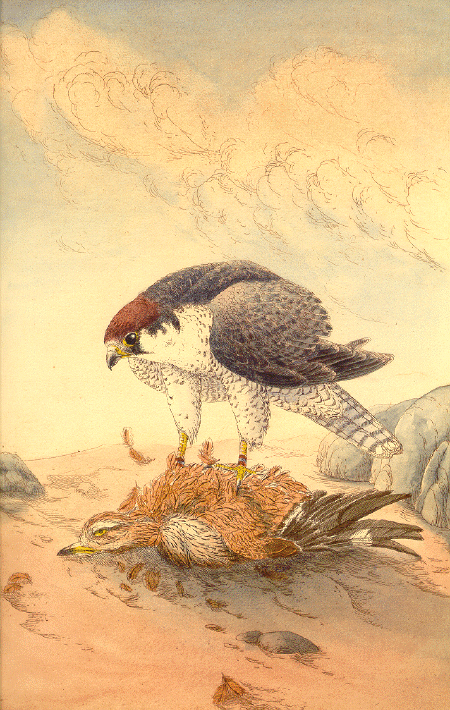

en nuestros sueños más oscuros siempre hay la esperanza de que nosotro amor vuelva las cosas oro ¿no?.
Había una vez un Conejito de peluche realmente espléndido. Era gordito y adorable, como tiene que ser todo conejito; su piel era moteada, tenía bigotes de hilo y sus orejas estaban ribeteadas de satén rosa. En la mañana de Navidad, sobresaliendo del calcetín del Niño, con un ramito de acebo entre sus patitas, estaba encantador.
Había otras cosas en el calcetín: nueces, naranjas y un juguete mecánico, almendras de chocolate y un ratón de cuerda, pero el Conejito era el mejor de todos. Durante dos horas, por lo menos, el Niño se entusiasmó con él, pero después, los titos vinieron a cenar, y hubo un gran jaleo de papel de seda y de abrir paquetes, y en la emoción de todos los nuevos regalos, el Conejito de peluche quedó en el olvido.
Durante mucho tiempo vivió en el armario de los juguetes o en el suelo del cuarto de los niños, y nadie se ocupaba de él. Era tímido por naturaleza y, al estar hecho sólo de peluche, algunos de los juguetes más caros le hacían desaires. Los juguetes mecánicos se creían muy superiores, y despreciaban a todo el mundo; estaban llenos de ideas modernas, y pretendían ser de reales. <…> El Conejito no podía dárselas de estar hecho como los de verdad, porque no sabía que los conejos reales existen. Creía que todos estaban rellenos de serrín como él mismo, <…>
"¿Qué es ser real?" Preguntó un día el Conejito, cuando todos los juguetes estaban juntos cerca de la pantalla protectora del hogar, antes de que Nana viniera a arreglar la habitación. "¿Es tener cosas que zumban en tu interior y una palanca que te hace funcionar?"
"Ser REAL no consiste en cómo estás hecho", dijo el Caballo. "Es algo que te pasa. Cuando un niño te quiere durante mucho, mucho tiempo, no sólo para jugar contigo, sino que REALMENTE te quiere, entonces te conviertes en algo REAL."
"¿Duele?", preguntó el Conejito.
"A veces," dijo el Caballo, que siempre era de fiar. "Pero cuando eres real ya no te importa que te hagan daño."
"¿Te sucede de pronto, como cuando te dan cuerda, o poco a poco?", preguntó.
"Eso no te ocurre repentinamente", dijo el Caballo. "Te vas haciendo poco a poco y tarda mucho tiempo. Por eso no le suele ocurrir a los que se quiebran con facilidad, o a los que tienen bordes afilados, o a los que se guardan cuidadosamente. Generalmente, cuando te haces REAL, casi todo tu pelo se ha desgastado, tus ojos se han salido, tus articulaciones están sueltas y te sientes muy maltrecho. Pero estas cosas no importan ya, porque una vez que eres REAL ya no puedes ser feo, excepto para la gente que no entiende."
"Supongo que eres REAL, ¿no?", dijo el Conejito. <…>
"El tito del Niño me hizo real," dijo. "Eso fue hace muchos años; pero una vez que eres REAL ya no puedes ser irreal nunca más. Dura para siempre." <…>
Tambien llamado "How Toys Become Real" (Como los juguetes se hacen realidad)es una novela para niños escrita por Margery Williams e ilustrada por William Nicholson. Relata la historia de un conejo de peluche y su afán por convertirse en real a través del amor de su dueño. El libro fue publicado por primera vez en 1922 y ha sido reeditado muchas veces desde entonces.
The Velveteen Rabbit fue el primer libro para niños de Williams.
en nuestros sueños más oscuros siempre hay la esperanza de que nosotro amor vuelva las cosas oro ¿no?.
Wednesday, May 19, 2010
Sunday, May 16, 2010
bad news.
My best friend leaved me, not the first time i ever say this, there's something wrong about the people who surround me, you know, they all have sharp teeth, 3 fingers and 78 legs, not one for me.
everyone have fun in this stupid moon base called living, and i don't, i look inside the speck only to notice that everyone is there, playing death and i'm not, i can't.
life sucks since i've been here walking in vain through time and space, looking everywhere only to find nothing. They all are seemed to be afraid of me, i wish i could just jump outside this moon, not be afraid of falling to nowhere not be afraid, am i?.
days pass and i just sit and watch. i'm tired of doing something, something always goes away.
am i afraid? why am i still watching them all inside that trap?, i have to admit, this have been the worst wasting time in eons, and even more thrilling than being just human itself, please please moon, wont you just shrink in sizes?
Amen.- Gizelle Schaffner-.
everyone have fun in this stupid moon base called living, and i don't, i look inside the speck only to notice that everyone is there, playing death and i'm not, i can't.
life sucks since i've been here walking in vain through time and space, looking everywhere only to find nothing. They all are seemed to be afraid of me, i wish i could just jump outside this moon, not be afraid of falling to nowhere not be afraid, am i?.
days pass and i just sit and watch. i'm tired of doing something, something always goes away.
am i afraid? why am i still watching them all inside that trap?, i have to admit, this have been the worst wasting time in eons, and even more thrilling than being just human itself, please please moon, wont you just shrink in sizes?
Amen.- Gizelle Schaffner-.
Thursday, May 6, 2010
The Tibetan Book of the Dead


The Tibetan Book of the Dead, whose actual title is "The Great Liberation upon Hearing in the Intermediate State" or "Bardo Thodol", is traditionally believed to be the work of the legendary Padma Sambhava in the 8th century A.D. The book acts as a guide for the dead during the state that intervenes death and the next rebirth. He is considered to be one of the first persons to bring Buddhism to Tibet. The Bardo Thodol is a guide that is read aloud to the dead while they are in the state between death and reincarnation in order for them to recognize the nature of their mind and attain liberation from the cycle of rebirth.
The Bardo Thodol teaches that once awareness is freed from the body, it creates its own reality as one would experience in a dream. This dream occurs in various phases (bardos) in ways both wonderful and terrifying. Overwhelming peaceful and wrathful visions and deities appear. Since the deceased's awareness is in confusion of no longer being connected to a physical body, it needs help and guidance in order that enlightenment and liberation occurs. The Bardo Thodol teaches how we can attain Nirvana by recognizing the heavenly realms instead of entering into the lower realms where the cycle of birth and rebirth continue.
The following is a description of the bardo realms that one travels through after death.
The First Bardo
The first bardo comes at the very moment of death, when there dawns the Clear Light of the Ultimate Reality. This is the very content and substance of the state of liberation, if only the soul can recognize it and act in a way to remain in that state. The instructions intended to be read at the moment of the person's death are designed to help him do this. He is told, first of all, to embrace this supreme experience not in a selfish and egoistic way but rather with love and compassion for all sentient beings. This will aid him in the second step, which is to realize that his own mind and self is identical with the Clear Light, implying that he himself IS the Ultimate Reality, "the All-good Buddha", transcending time, eternity, and all creation. If he can recognize this while in this supreme state at the moment of death, he will attain liberation-that is, he will remain in the Clear Light forever. This condition is called the "Dharmakaya", the highest spiritual body of the Buddha.
Most souls, however, will fail to do this. They will be pulled down by the weight of their karma into the second stage of the first bardo, called the Secondary Clear Light seen immediately after death.At this point, there are separate instructions to be read according to the spiritual condition of the person while in life. For an individual advanced in meditation and other spiritual practices, there is repeated over and over the same instructions as at the moment of death, enjoining him to recognize himself as the Dharmakaya.For a person who was still at a student-level on the spiritual path, there is the injunction for him to meditate on his "tutelary deity", that is, the particular god for whom he performed devotional practices while alive. Finally,"if the deceased be of the common folk", unpracticed in any spiritual disciplines, the instruction is to "meditate upon the Great Compassionate Lord", which is to say an "Avatar" worshipped by the multitude, equivalent to Jesus as conceived by the average Christian.
The Second Bardo
If the soul is still not liberated at this stage, it will descend into the second bardo, which is said to last for two weeks. The second bardo is also divided into two parts; in the first, the soul of the deceased encounters what are referred to as "the Peaceful Deities."On each of the seven days, a particular Buddha-being will appear in radiance and glory, with a bevy of angelic attendants. At the same time, on each day in turn there will shine a light from one of the six worlds of the Buddhist universe, called"Lokas" (the basic meaning is "place";our English words "location" and "locale" are derived from the same Sanskrit root).
On the first day of the second bardo, there appears to the soul the divine Father-Mother - that is, the supreme deity of the universe, transcending all dualities, including the division into sexes. The next step in the destiny of the soul is determined by his reaction to this God. If his life on Earth was well lived, he will now be in a state of purity and grace, and he will enter into the joy of the God and attain liberation. If on the other hand he has lived an ignoble and impious life, the effects of his bad karma will cause the intense radiant presence of the God to strike fear and terror in his heart, and he will be drawn instead to the softer light of the Deva-Loka, which has dawned along with this deity. This is still a fairly attractive fate, for the Devas are the Gods (or angels), and their Loka is equivalent to the Christian heaven; however, the Buddhist teaching is that even heaven is not the highest spiritual objective, because it is still only a temporary state in the manifest universe. Liberation is believed to be the only final and permanent resting-place for the soul, an un-manifest state beyond all existence.
On the second day, there appears the second-highest God in the Buddhist pantheon - in fact, he is actually the Second Person in the literal Buddhist Holy Trinity. At the same time, there dawns a smoky light from hell; and here we note that, just as the Buddhist heaven is not a permanent, eternal state, neither is its hell. Even the most wretched souls will eventually work their way out of even the deepest pit of hell, just as even the highest and purest souls will eventually lose their footing in heaven and descend again into the cycle of death and rebirth. Liberation is the only way out.
Once again, if the soul responds to the "dazzling white light"of the second God with the joy of a pure heart, he will be liberated thereby; but if he specifically reacts with ANGER from having indulged in this vice on Earth, he will recoil from the light in fear and be drawn into hell.
The pattern is repeated on the third day; this time it is the fault if egotism that will cause the soul to react to the God with fear, and he will be drawn to the human world, where his next incarnation will thereby take place. On the fourth day dawns the God of Eternal Life; if the soul has a negative reaction to him because of miserliness and attachment, he will be drawn toward rebirth in the Preta-Loka, a world of"hungry ghosts"who have huge stomachs and throats the size of pinholes, and so they wander about in a constant state of unsatisfied ravenous desire. On the fifth day comes God in the form of an Almighty Conqueror; this time it's jealousy that will unseat the soul, and he will be born into the Asura-Loka, a world of fierce warrior-deities (or demons). On the sixth day all the deities return and dawn together, along with the lights from all six Lokas. On the seventh day there appear the Knowledge-Holding Deities, who are more fierce and demonic-looking than those that have previously dawned;and in fact they are sort of a transitional element to the next stage of the second bardo, where the soul encounters the wrathful deities. Meanwhile, if because of stupidity the soul cannot face the Knowledge-Holding Deities, he is drawn toward the Brute-Loka - that is, he will be reborn on Earth as an animal.
In the second week of the second bardo, the soul meets seven legions of Wrathful Deities: hideous, terrifying demons who advance upon him with flame and sword, drinking blood from human skulls, threatening to wreak unmerciful torture upon him, to maim, disembowel, decapitate and slay him.The natural tendency, of course, is for the soul to attempt to flee from these beings in stark, screaming, blood-curdled terror;but if he does, all is lost. The instructions at this stage of the Bardo are for the soul to have no fear, but rather to recognize that the Wrathful Deities are really the Peaceful Deities in disguise, their dark side manifesting as a result of his own evil karma. The soul is told to calmly face each demon in turn and visualize it as the deity it truly is, or else as his own tutelary deity; if he can do this, he will merge with the being and attain the second degree of Liberation, that lesser aspect of it which is now the best he can hope for here in the second bardo.
Furthermore, he is told to awaken to the fact that all these fearsome creatures are not real, but are merely illusions emanating from his own mind. If he can recognize this, they will vanish and he will be liberated.If he can't, he eventually wanders down to the third bardo.
The Third Bardo
In the third bardo the soul encounters the Lord of Death, a fearsome demonic deity who appears in smoke and fire, and subjects the soul to a Judgment. If the dead person protests that he has done no evil, the Lord of Death holds up before him the Mirror of Karma, "wherein every good and evil act is vividly reflected." Now demons approach and begin to inflict torments and punishments upon the soul for his evil deeds. The instructions in the Bardo Thodol are for him to attempt to recognize the Voidness of all these beings, including the Lord of Death himself; the dead person is told that this entire scene unfolding around him is a projection from his own mind. Even here he can attain liberation by recognizing this.
The soul who is still not liberated after the Judgment will now be drawn remorselessly toward rebirth.
The lights of the six Lokas will dawn again; into one of these worlds the soul must be born, and the light of the one he is destined for will shine more brightly than the others.The soul is still experiencing the frightening apparitions and sufferings of the third bardo, and he feels that he will do anything to escape from this condition. He will seek shelter in what appear to be caves or hiding-places, but which are actually the entrances to wombs. He is warned of this by the text of the Bardo Thodol, and urged not to enter them, but to meditate upon the Clear Light instead; for it is still possible for him to achieve the third degree of liberation and avoid rebirth.
Finally there comes a point where it is no longer possible to attain liberation, and after this the soul is given instructions on how to choose the best womb for a favorable incarnation. The basic method is non-attachment:to try to rise above both attraction to worldly pleasures and repulsion from worldly ills.
The final words of the Bardo Thodol are: "Let virtue and goodness be perfected in every way."
"Be not fond of the dull smoke-colored light from hell." - Tibetan Book of the Dead
Thursday, April 22, 2010
mi gata Halo
el tema de hoy es sobre mi gato (mascota). su verdadero nombre completo y desde el principio era Bubblegum Crisis y más tarde en Halo crisis.
Tenia 12 años entonces, y recuerdo que deseaba tanto una mascota; siempre he amado a los animales y los gatos no son los exepcion; por lo que en ese entonces mi hermana tenía un novio, él nos dijo que su gata estaba a punto de tener gatitos, y que necesitaba encontrar hogares para ellos, así que mi hermana y yo aceptamos.
Me acuerdo que soñaba acerca de cómo sería mi gato, y pensaba ... "Yo voy a hacer muy feliz a ese gato" ... despues el pensamiento se convirtió en .. "Por fin tendre un amigo" jaja.
veras, a los 12 años realmente no piensas mucho en el futuro, tu sólo tiene que ir con la corriente, y para mí tener una mascota era un pedazo de la pastél. Recuerdo que me gustaba mucho el anime y el manga, y es por eso que tomé el nombre de Bubblegum Crisis, por tanto, que el anime estaba en mi espíritu todo tiempo, y yo casi lloré cuando me compré mi primera película de anime que por supuesto fue BubbleGum Crisis; Todavía la tengo que aunque ya no soy esa tan grande fan... creo que ya no soy fan en absoluto del anime, con eso de la publicidad, y los miercoles de "nororu" en el cecut se convirtieron en locaciones infestadas de freakys que piensan que anime es "Death Note-Inuyasha-Naruto-Hentai"...VALEN VERGA! ahh!! pero en que estava.. ah! si,MI GATA...

por lo que el día llegó el día en que tuve que ir al encuentro de lo que pronto se convirtió en mi gata, Hija y mi corazón en sí. No recuerdo cómo me vestí para ese gran momento, pero sí recuerdo que dejé dispuestas todas las cosas en mi casa para su llegada, ¡Oh! si .. yo llevaba pantalones "libais" porque era un día lluvioso.

Y entré en aquella casa, y me fui derechito para conocer a mi futura socia en el crimen; vi todo este montón de gatos, allí, gritando porque tenian frío.
Recuerdo que mirar un gato, era muy lindo, supongo que fue blanco, siempre me eh encuentrado a mí misma observando el animal blanco y dormido de la jaula, y creo que esta vez no fue la excepción, pero de repente sentí algo en mi pierna, era un gato!, un gato acababa de saltar en mi pierna y gracias Dios que tenía ese pantalon porque a lo mejor me hubiera desgarrado la piel!... bueno, exagero, se trataba de un gato pequeño alrededor de un mes de edad. pero sentí que necesitaba de mí, o bien, ¿por qué un gato bebé salta en tu pierna sin motivo?, no sé ... tal vez dios? jaja
la cosa es que yo elejí ese gato, el que habia saltado en mi pierna. Era blanco y negro y sin sueño alguno, PARA NADA!, era el gato más malo del monton!,de esos que sólo te miran feo y te pega un zarpazo sin razon alguna... era mi gata.

desde el principio siempre estaba de mal humor, pero en cuanto me ve veia todo era diferente. ella era apenas una bebé, aullava por mí para darle de comer o acariciarle o incluso cuando estaba en mis 14 años y me sentia triste ella solía maullarme cada vez que me veia llorar y no se callaba hasta que yo me calmaba, o incluso cuando tenia 15 años me solía encaminar hasta la entrada de mi casa .. ¡Oh! bueno ... esa gato era mi Heroina, me acuerdo cuando cumplió supongo 2 años y tuvo su primera camada detrás del espejo del baño, ella era hermosa, y aunque era realmente mala ella amaba y cuidaba a sus gatitos tanto como yo la amaba y cuidaba.
es bueno tener alguien en quien confiar, y para mí ella es la única, el tiempo ha pasado y ahora ambas somos grandes, ella más ...es una gata vieja, a veces puedo incluso escuchar que tiene problemas pulmonares, tose aveces, pero un día, cuando tenga dinero voy a pagar un buen médico veterinario, ojalá.
Así, ella y yo somos muy unidas; ahora tiene una nueva camada yo creo que es como su novena camada o algo así. Ella estaba en mi regazo hace unos momentos, se tubo que ir por que sus recién nacidos empezaron a llorar!; pero supongo que ella dice "hola, vete a la mierda dame de comier" a todos. jaja.

Naaah, de hecho es muy buena persona (gata) muy en el fondo.

Tenia 12 años entonces, y recuerdo que deseaba tanto una mascota; siempre he amado a los animales y los gatos no son los exepcion; por lo que en ese entonces mi hermana tenía un novio, él nos dijo que su gata estaba a punto de tener gatitos, y que necesitaba encontrar hogares para ellos, así que mi hermana y yo aceptamos.
Me acuerdo que soñaba acerca de cómo sería mi gato, y pensaba ... "Yo voy a hacer muy feliz a ese gato" ... despues el pensamiento se convirtió en .. "Por fin tendre un amigo" jaja.
veras, a los 12 años realmente no piensas mucho en el futuro, tu sólo tiene que ir con la corriente, y para mí tener una mascota era un pedazo de la pastél. Recuerdo que me gustaba mucho el anime y el manga, y es por eso que tomé el nombre de Bubblegum Crisis, por tanto, que el anime estaba en mi espíritu todo tiempo, y yo casi lloré cuando me compré mi primera película de anime que por supuesto fue BubbleGum Crisis; Todavía la tengo que aunque ya no soy esa tan grande fan... creo que ya no soy fan en absoluto del anime, con eso de la publicidad, y los miercoles de "nororu" en el cecut se convirtieron en locaciones infestadas de freakys que piensan que anime es "Death Note-Inuyasha-Naruto-Hentai"...VALEN VERGA! ahh!! pero en que estava.. ah! si,MI GATA...
por lo que el día llegó el día en que tuve que ir al encuentro de lo que pronto se convirtió en mi gata, Hija y mi corazón en sí. No recuerdo cómo me vestí para ese gran momento, pero sí recuerdo que dejé dispuestas todas las cosas en mi casa para su llegada, ¡Oh! si .. yo llevaba pantalones "libais" porque era un día lluvioso.
Y entré en aquella casa, y me fui derechito para conocer a mi futura socia en el crimen; vi todo este montón de gatos, allí, gritando porque tenian frío.
Recuerdo que mirar un gato, era muy lindo, supongo que fue blanco, siempre me eh encuentrado a mí misma observando el animal blanco y dormido de la jaula, y creo que esta vez no fue la excepción, pero de repente sentí algo en mi pierna, era un gato!, un gato acababa de saltar en mi pierna y gracias Dios que tenía ese pantalon porque a lo mejor me hubiera desgarrado la piel!... bueno, exagero, se trataba de un gato pequeño alrededor de un mes de edad. pero sentí que necesitaba de mí, o bien, ¿por qué un gato bebé salta en tu pierna sin motivo?, no sé ... tal vez dios? jaja
la cosa es que yo elejí ese gato, el que habia saltado en mi pierna. Era blanco y negro y sin sueño alguno, PARA NADA!, era el gato más malo del monton!,de esos que sólo te miran feo y te pega un zarpazo sin razon alguna... era mi gata.
desde el principio siempre estaba de mal humor, pero en cuanto me ve veia todo era diferente. ella era apenas una bebé, aullava por mí para darle de comer o acariciarle o incluso cuando estaba en mis 14 años y me sentia triste ella solía maullarme cada vez que me veia llorar y no se callaba hasta que yo me calmaba, o incluso cuando tenia 15 años me solía encaminar hasta la entrada de mi casa .. ¡Oh! bueno ... esa gato era mi Heroina, me acuerdo cuando cumplió supongo 2 años y tuvo su primera camada detrás del espejo del baño, ella era hermosa, y aunque era realmente mala ella amaba y cuidaba a sus gatitos tanto como yo la amaba y cuidaba.
es bueno tener alguien en quien confiar, y para mí ella es la única, el tiempo ha pasado y ahora ambas somos grandes, ella más ...es una gata vieja, a veces puedo incluso escuchar que tiene problemas pulmonares, tose aveces, pero un día, cuando tenga dinero voy a pagar un buen médico veterinario, ojalá.
Así, ella y yo somos muy unidas; ahora tiene una nueva camada yo creo que es como su novena camada o algo así. Ella estaba en mi regazo hace unos momentos, se tubo que ir por que sus recién nacidos empezaron a llorar!; pero supongo que ella dice "hola, vete a la mierda dame de comier" a todos. jaja.
Naaah, de hecho es muy buena persona (gata) muy en el fondo.
Tuesday, April 20, 2010
Mi Habitación
AH!, Mi querido lector!, el "toppic" de hoy es "mi habitación", has tenido alguna vez esa sensación de no sentirse "bienvenido" en su propia habitación?, Bueno, yo a menudo digo .. "si muero me gustaría morir en mi bonita habitación", pero que pasaria de ser así?, quiero decir ... mi habitación es el lugar donde paso casi las 24 horas del día (sin contar esos días cuando tengo que salir a la calle), así que, empecé a pensar .. "Vamos a hacer algo diferente" pero ¿cómo?, Quiero decir, yo no tengo esa gigante habitacion que me gustaría, pero sigue siendo habitable y un lugar agradable, no tengo dinero para decir .. "¡Oh, pintaría Eso diferente y me compria muebles nuevos ", asi que .. qué hacer qué hacer?? .. IMAGINACIÓN YO DIGO!, hacer algo más bonito y cómodo, buscar algo donde me dan ganas de dormir una buena siesta. Me encontré buscando fotos o algo .. que me pudiera dar ideas de qué hacer con el bajo presupuesto que poseo, y he encontrado algunas cosas realmente interesantes en el internet .. (youtube), por lo que, si usted está en el mismo problema en que yo me encuentro hoy, recomiendo que busque en el internet, etc .. y otra vez, hasta que encuentres algo que se esconda debajo de su propio despertar, en tus sueños más oscuros, ¡SI!.
Creo que el verdadero truco es encontrar algunas pequeñas cosas bonitas, como posters agradables, unos frascos para poner las cosas, todo lo agradable para el (TU) ojo. Algún tema, no sólo "el tema al azar", supongo que en resumen deven ser sólo temas, el principal problema es solo encontrar el "tema" que este bien con tigo, pero de nuevo, es realmente divertido de encontrar.
Así que adelante, vuelvance locos y encontren pequeñas cosas que pueden ir con su tema.
Los temas pueden ir desde el color a las formas, pero vamos a dejar esto muy claro, suponiendo que no tienes el suficiente dinero entonces lo mejor es solo ir creativo, y eso es aún más divertido!. simplemente se tú mismo, y encuentra un tema, eso es todo. Puedes ir a buscarlos en google como .. "fotografías de habitaciones", o incluso como .. "kawaii rooms" o como la mayoría de la gente estúpida pero útil en youtube (menos yo jajaja)... "my room tour". Suerte!.
Creo que el verdadero truco es encontrar algunas pequeñas cosas bonitas, como posters agradables, unos frascos para poner las cosas, todo lo agradable para el (TU) ojo. Algún tema, no sólo "el tema al azar", supongo que en resumen deven ser sólo temas, el principal problema es solo encontrar el "tema" que este bien con tigo, pero de nuevo, es realmente divertido de encontrar.
Así que adelante, vuelvance locos y encontren pequeñas cosas que pueden ir con su tema.
Los temas pueden ir desde el color a las formas, pero vamos a dejar esto muy claro, suponiendo que no tienes el suficiente dinero entonces lo mejor es solo ir creativo, y eso es aún más divertido!. simplemente se tú mismo, y encuentra un tema, eso es todo. Puedes ir a buscarlos en google como .. "fotografías de habitaciones", o incluso como .. "kawaii rooms" o como la mayoría de la gente estúpida pero útil en youtube (menos yo jajaja)... "my room tour". Suerte!.
Nocturna (2007)
Nocturna (2007)


esta película me hiso sentir verdaderamente con ansiedad, es muy bonita, con algo que al final me hizo pensar, es más alla que solo fantástica, es muy bonita, me encantó, creo que es hecha en España o Italia?, no sé a ciencia cierta, pero espero que no te pierdas de ver. Tengo sueño ahora, y la verdad es que ver esta película en este momento me hizo sentir como que se puede soñar con ella ... ¡Oh! dios!, mírame escribiendo esto a casi las 4:00 am, pero créanme, esta película sacudió mi mundo de fantasía-miedo-sueño. Me gustaría verla de nuevo cuando me encuentre con insomnio de nuevo ... Estoy totalmente de acuerdo.
Nyctophobia
Nyctophobia significa el miedo de la noche o la oscuridad. También es conocida como Scotophobia.
Nyctophobia está presente cuando se asustan más allá de las circunstancias o el objeto que las causa.Y entre estas circunstancias, puede haber unas con absolutamente ninguna razón para que usted tenga miedo.Es sólo que tu mente exagera la condición de que usted está y las presenta de tal manera diferente que hace que te asustes.
Por lo tanto se desarrolla el intenso miedo a circunstancias u objetos en particular. El desarrollo de este intenso miedo a la oscuridad o la noche se crea por dos formas:
* Externalización: Usted puede estar experimentando algunos conflictos internos al que encuentras difícil de encontrar una solución. De ahí para ayudarse a si mismo a liberar algunos de sus sentimientos reprimidos, usted los externaliza en la oscuridad.
* Traumatizados por un acontecimiento
La investigación ha demostrado que Nyctophobia puede ser el resultado de un evento traumático que haya podido producir a los fóbicos.
Lo más convenible es evitar entrar en estas circunstancias de miedo y permanecer fuera del objeto del miedo a toda costa....?
Los síntomas de Nyctophobia:
Falta de aliento, sudoración excesiva, vómito, boca seca, sensación de mareo, temblores, palpitaciones, dificultad para hablar o pensar con claridad, un miedo a la muerte, perder el control, una sensación de desapego de la realidad o un ataque de ansiedad extremo.
La mayoría de los enfermos se sorprenden al saber que están lejos de estar solos pues es sorprendentemente común.
Mientras que los adultos con Nyctophobia suelen darse cuenta de que estos miedos son irracionales, a menudo se encuentran aterrados a siquiera pensar en la oscuridad pues les trae un ataque de pánico o ansiedad severa.
¿Cómo podemos superar el miedo?
La mejor manera de superar algo, es enfrentarse a ello. No debemos perder la oportunidad de enfrentarnos a nuestros peores temores y hacer algo al respecto. Si bien lidiar con lo que tememos puede ser un poco violento para nosotros, podriamos comenzar a trabajar con temores menores, asociados al primero. En el caso de miedo al fracaso, podríamos intentar asistir a entrevistas laborales para puestos que no nos interesan, practicando como seria nuestra respuesta, nuestro comportamiento, sin importar el resultado porque es algo que no queremos de todas maneras. En cuanto al amor, siempre podemos invitar a salir a alguien, ¿qué puede ser lo peor que puede pasar? Sé que la sola idea de hablar con una mujer puede aterrar a algunos, pero podemos practicar con una amiga, tanteando el terreno, interesándose por saber más del mundo femenino.
La clave es actuar, hacer algo para comenzar a construir nuestra confianza. Tampoco debemos sentirnos culpables o castigarnos por ser nuestros propios saboteadores, tenemos que identificar la raíz de nuestro miedo y estar determinados a luchar contra él, teniendonos paciencia y buscando ayuda de ser necesario.
Uno siempre debe preguntarse, ¿vale la pena vivir con miedo, cuál es el beneficio que obtengo de esto? ¿Hay algo que pueda hacer para cambiarlo? ¿Por qué prefiero vivir desde la impotencia y no desde la plenitud?
El miedo puede ser superado. Uno debe estar dispuesto a trabajar en los obstáculos que quiebran la armonía de una vida que puede llegar a ser muy satisfactoria, si simplemente nos permitimos ser felices.
PD: no creo que les sea dificil encontrar la pelicula si tienen sus fuentes, pero si les es asi, entonces sugiero que se metan a este link:
http://www.megavideo.com/?s=dospuntocerovision&v=TA95UQ85&confirmed=1
yyyy... pues ya que ablamos de nocturna y no tengo nada mas que decir, pueden escuchar esta cancion mientras Se carga :D hahahajahaha!!!!!! buenas noches malditos!...infelices jaaha
esta película me hiso sentir verdaderamente con ansiedad, es muy bonita, con algo que al final me hizo pensar, es más alla que solo fantástica, es muy bonita, me encantó, creo que es hecha en España o Italia?, no sé a ciencia cierta, pero espero que no te pierdas de ver. Tengo sueño ahora, y la verdad es que ver esta película en este momento me hizo sentir como que se puede soñar con ella ... ¡Oh! dios!, mírame escribiendo esto a casi las 4:00 am, pero créanme, esta película sacudió mi mundo de fantasía-miedo-sueño. Me gustaría verla de nuevo cuando me encuentre con insomnio de nuevo ... Estoy totalmente de acuerdo.
Nyctophobia
Nyctophobia significa el miedo de la noche o la oscuridad. También es conocida como Scotophobia.
Nyctophobia está presente cuando se asustan más allá de las circunstancias o el objeto que las causa.Y entre estas circunstancias, puede haber unas con absolutamente ninguna razón para que usted tenga miedo.Es sólo que tu mente exagera la condición de que usted está y las presenta de tal manera diferente que hace que te asustes.
Por lo tanto se desarrolla el intenso miedo a circunstancias u objetos en particular. El desarrollo de este intenso miedo a la oscuridad o la noche se crea por dos formas:
* Externalización: Usted puede estar experimentando algunos conflictos internos al que encuentras difícil de encontrar una solución. De ahí para ayudarse a si mismo a liberar algunos de sus sentimientos reprimidos, usted los externaliza en la oscuridad.
* Traumatizados por un acontecimiento
La investigación ha demostrado que Nyctophobia puede ser el resultado de un evento traumático que haya podido producir a los fóbicos.
Lo más convenible es evitar entrar en estas circunstancias de miedo y permanecer fuera del objeto del miedo a toda costa....?
Los síntomas de Nyctophobia:
Falta de aliento, sudoración excesiva, vómito, boca seca, sensación de mareo, temblores, palpitaciones, dificultad para hablar o pensar con claridad, un miedo a la muerte, perder el control, una sensación de desapego de la realidad o un ataque de ansiedad extremo.
La mayoría de los enfermos se sorprenden al saber que están lejos de estar solos pues es sorprendentemente común.
Mientras que los adultos con Nyctophobia suelen darse cuenta de que estos miedos son irracionales, a menudo se encuentran aterrados a siquiera pensar en la oscuridad pues les trae un ataque de pánico o ansiedad severa.
¿Cómo podemos superar el miedo?
La mejor manera de superar algo, es enfrentarse a ello. No debemos perder la oportunidad de enfrentarnos a nuestros peores temores y hacer algo al respecto. Si bien lidiar con lo que tememos puede ser un poco violento para nosotros, podriamos comenzar a trabajar con temores menores, asociados al primero. En el caso de miedo al fracaso, podríamos intentar asistir a entrevistas laborales para puestos que no nos interesan, practicando como seria nuestra respuesta, nuestro comportamiento, sin importar el resultado porque es algo que no queremos de todas maneras. En cuanto al amor, siempre podemos invitar a salir a alguien, ¿qué puede ser lo peor que puede pasar? Sé que la sola idea de hablar con una mujer puede aterrar a algunos, pero podemos practicar con una amiga, tanteando el terreno, interesándose por saber más del mundo femenino.
La clave es actuar, hacer algo para comenzar a construir nuestra confianza. Tampoco debemos sentirnos culpables o castigarnos por ser nuestros propios saboteadores, tenemos que identificar la raíz de nuestro miedo y estar determinados a luchar contra él, teniendonos paciencia y buscando ayuda de ser necesario.
Uno siempre debe preguntarse, ¿vale la pena vivir con miedo, cuál es el beneficio que obtengo de esto? ¿Hay algo que pueda hacer para cambiarlo? ¿Por qué prefiero vivir desde la impotencia y no desde la plenitud?
El miedo puede ser superado. Uno debe estar dispuesto a trabajar en los obstáculos que quiebran la armonía de una vida que puede llegar a ser muy satisfactoria, si simplemente nos permitimos ser felices.
PD: no creo que les sea dificil encontrar la pelicula si tienen sus fuentes, pero si les es asi, entonces sugiero que se metan a este link:
http://www.megavideo.com/?s=dospuntocerovision&v=TA95UQ85&confirmed=1
yyyy... pues ya que ablamos de nocturna y no tengo nada mas que decir, pueden escuchar esta cancion mientras Se carga :D hahahajahaha!!!!!! buenas noches malditos!...infelices jaaha
Thursday, April 15, 2010
Killer Movies II
Hola mis criaturas horribles!, estoy aquí de nuevo, con más películas para que miren, disfruten mis compañeros en el crimen!:
Jacob's Ladder [1990]

thriler psicológico, lo mejor. Duelo, pesadillas psicóticas y actores realmente buenos. Silent Hill (videojuego) fue tomada e inspirada por esta película asombrosa.
The Changeling [1980]

thriler psicológico. Duelo, buenos actores, fantasmas, médiums, y por supuesto, una vieja casona, me tiene en la película hasta el final, tienen que verla!!!.
The Attic Expeditions (2001)

buena película, sólo tengo que decir que no pensé que el actor Seth Green de Buffy the Vampire Slayer fuera tan buen actor. ¿Por qué estas cosas no me pasan a menudo en la vida real?!. La vez una vez, pensaras en ella mucho tiempo.
Cazadores de dragones

aunque sé que esta no es una película de miedo, tengo que decir que es diferente, no se esperan algunas de las cosas de esta película, se feliz por una vez y veanla.
Happy Feet (2006)

éste también jaja
The Ugly Duckling and Me! (2006)

Oh, Dios ... desde el comienzo hasta el final .. es curioso, al azar, de miedo, asco, y un final muy bueno .. gracioso, triste? vamos! mira esto!!
Jacob's Ladder [1990]
thriler psicológico, lo mejor. Duelo, pesadillas psicóticas y actores realmente buenos. Silent Hill (videojuego) fue tomada e inspirada por esta película asombrosa.
The Changeling [1980]
thriler psicológico. Duelo, buenos actores, fantasmas, médiums, y por supuesto, una vieja casona, me tiene en la película hasta el final, tienen que verla!!!.
The Attic Expeditions (2001)
buena película, sólo tengo que decir que no pensé que el actor Seth Green de Buffy the Vampire Slayer fuera tan buen actor. ¿Por qué estas cosas no me pasan a menudo en la vida real?!. La vez una vez, pensaras en ella mucho tiempo.
Cazadores de dragones
aunque sé que esta no es una película de miedo, tengo que decir que es diferente, no se esperan algunas de las cosas de esta película, se feliz por una vez y veanla.
Happy Feet (2006)
éste también jaja
The Ugly Duckling and Me! (2006)
Oh, Dios ... desde el comienzo hasta el final .. es curioso, al azar, de miedo, asco, y un final muy bueno .. gracioso, triste? vamos! mira esto!!
Subscribe to:
Posts (Atom)